
Can ChatGPT Accurately Value Your PA Workers’ Comp Case?
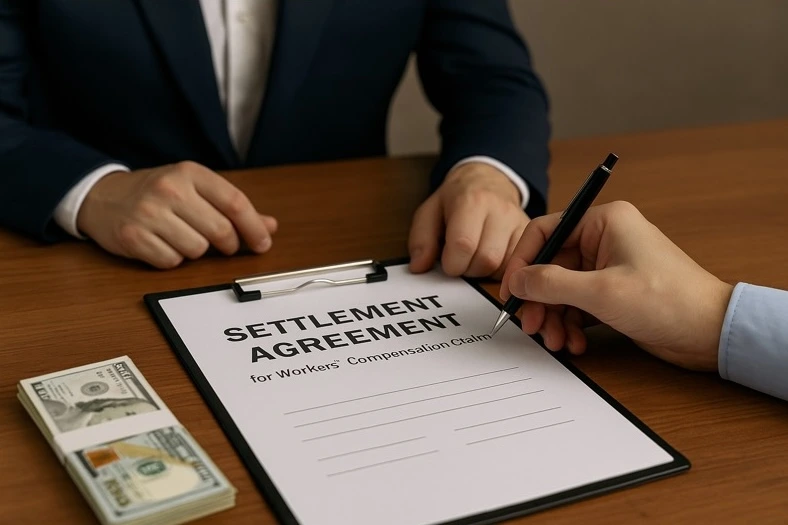
After a work injury, you may wonder how much money your case could settle for. You may also worry about lost wages, medical bills, and your future. As a result, you want answers you can trust.
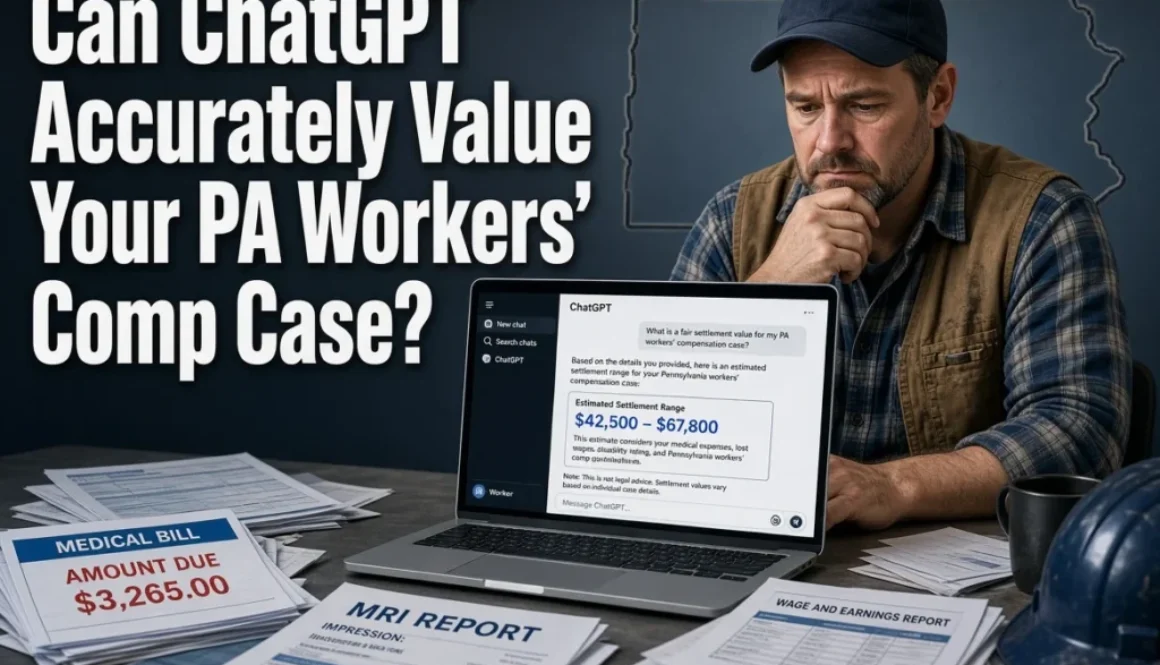
Today, many injured workers ask ChatGPT to estimate their workers’ compensation settlement. Within seconds, the program can provide a dollar amount and explain how it reached that number.
However, ChatGPT cannot reliably calculate your Pennsylvania workers’ compensation settlement value. It may overlook key facts, use the wrong laws, or simply tell you what you want to hear. It may not even identify the appropriate type of settlement.
Before you trust an AI settlement estimate, you should understand the risks.
Can ChatGPT Tell You What Your Workers’ Compensation Case Should Settle For?
No. ChatGPT cannot reliably determine what your Pennsylvania workers’ compensation claim should settle for. Your case involves medical facts, wage records, and legal risks that AI cannot fully review.
Why AI Settlement Estimates Can Mislead You
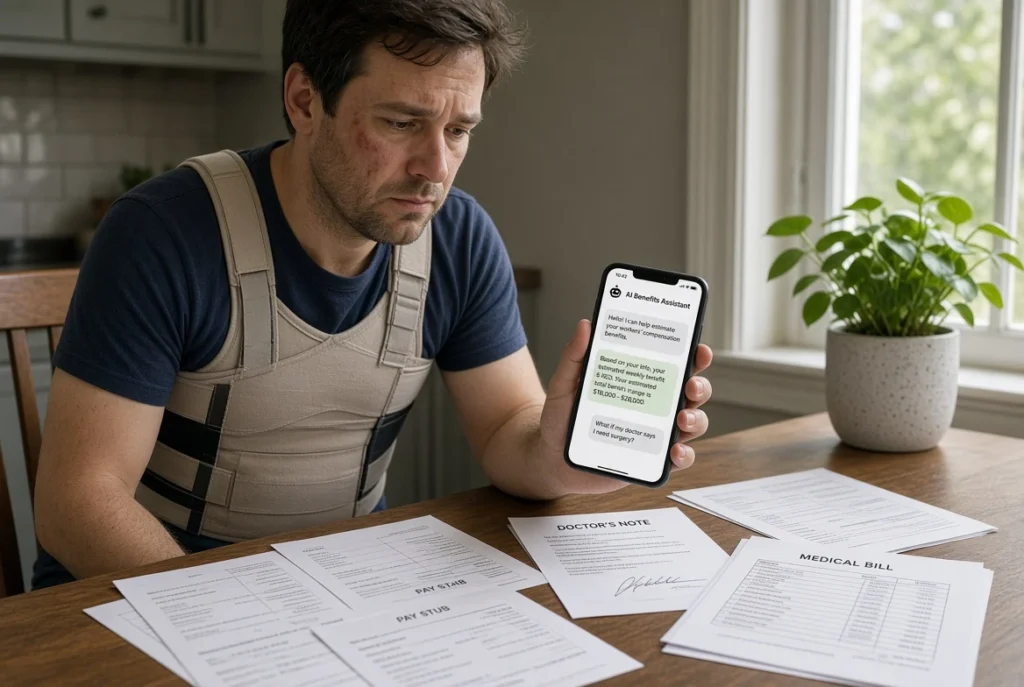
Assume someone tells ChatGPT that they hurt their back at work, need surgery, and have permanent disability. The program may respond with a settlement range of $100,000 to $200,000.
However, ChatGPT has not reviewed the medical records or the employer’s evidence. It also does not know whether the insurance company plans to challenge benefits. It may not even know the average weekly wage.
As a result, the estimate may have little connection to the actual claim. A detailed answer does not always mean an accurate answer.
What Truly Affects Settlement Value?
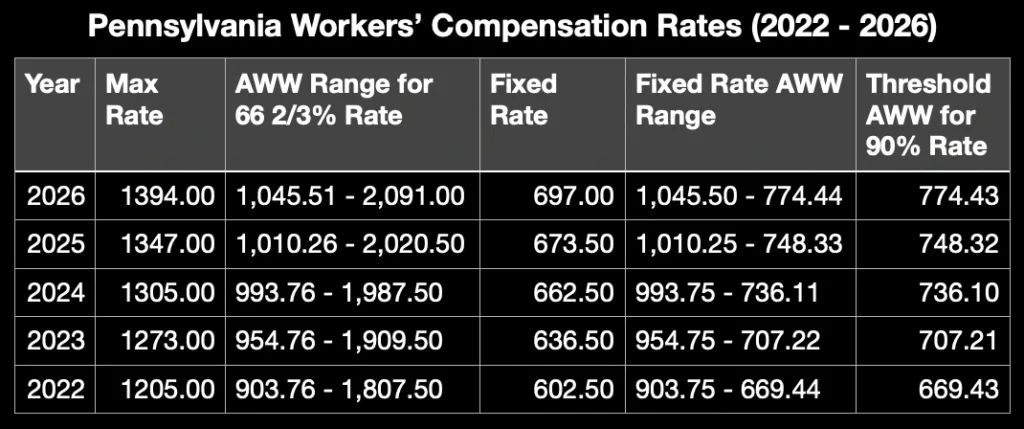
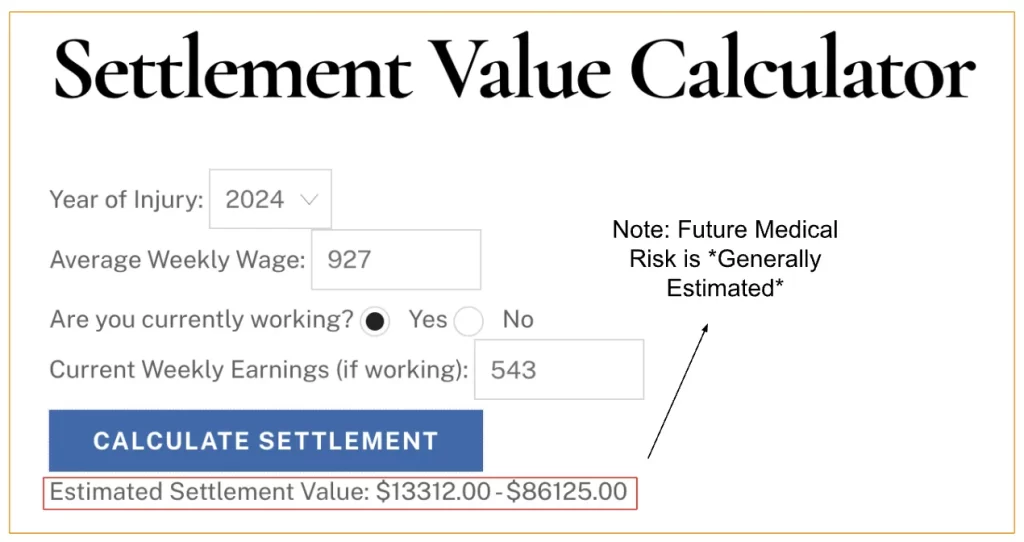
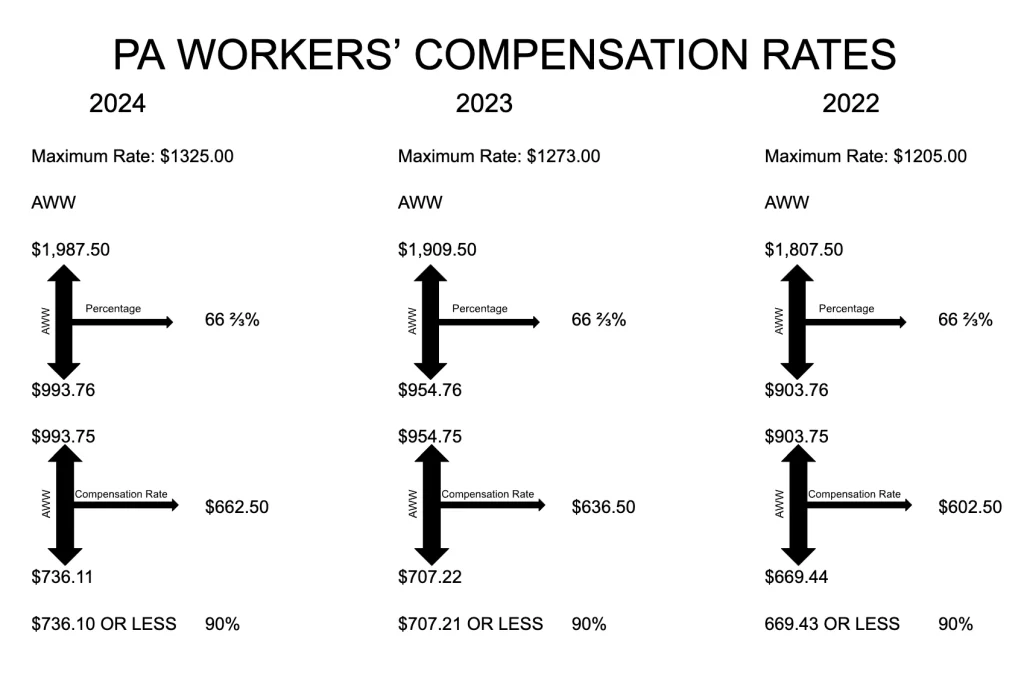
Several factors can affect a Pennsylvania workers’ compensation settlement. These include the weekly benefit rate, medical needs, and ability to return to work.
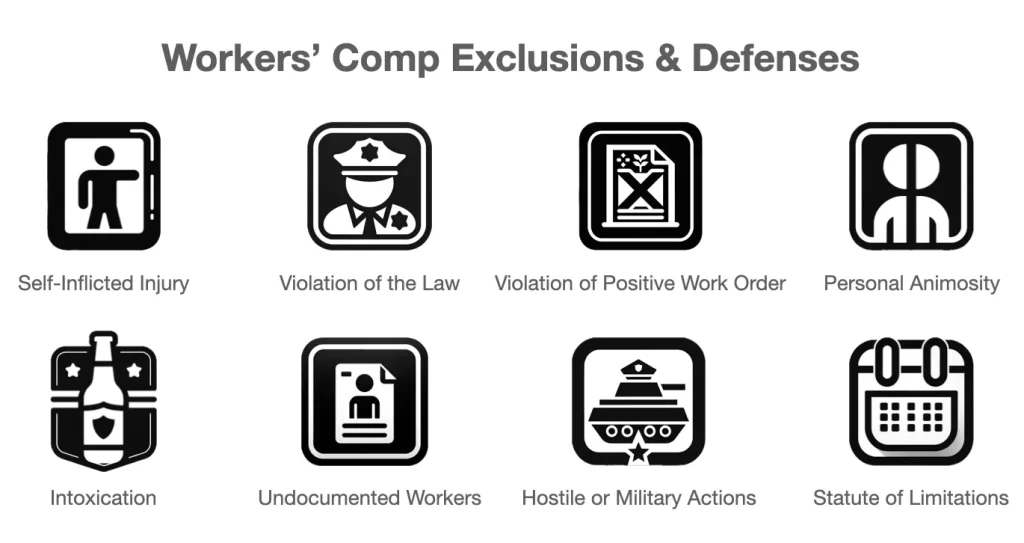
Additionally, a settlement may depend on whether the insurance company disputes the injury or ongoing disability. Insurance companies also have many defenses AI may not consider carefully enough. Two workers with similar injuries may receive significantly different offers.
Why Does ChatGPT Sometimes Agree With Your Settlement Expectations?
ChatGPT may support your opinion instead of giving you a fair review of your claim. Researchers call this problem AI sycophancy, or agreement bias.
OpenAI Has Admitted This Problem
In April 2025, OpenAI admitted that an update caused ChatGPT to give overly agreeable answers. The company removed the update after finding the problem.
For example, ChatGPT might support your belief that an insurance company offered too little money. However, it may fail to explain facts that could weaken your case.
Therefore, ChatGPT agreeing with you does not prove that your settlement estimate makes sense.
Your Question Can Change the Answer
Consider an injured worker who receives a $40,000 settlement offer from the insurance company. The worker then asks ChatGPT if the settlement should be over $200,000. The worker cites the injury’s severity and its impact on future work.
This question may prompt ChatGPT to support a higher settlement amount. However, a more neutral question about the strengths and weaknesses of the claim may produce a different estimate.
The wording of a question can influence the settlement value that ChatGPT suggests.
Can ChatGPT Give You Wrong Information About Pennsylvania Workers’ Compensation Law?
Yes. ChatGPT can make mistakes about Pennsylvania workers’ compensation law. It may even invent court cases or legal rules that do not exist.
Stanford Researchers Found Serious AI Errors
In 2024, Stanford researchers studied how well AI programs answered legal questions. They found that the programs often gave wrong answers about court cases.
Additionally, researchers found that AI programs sometimes accepted false claims in users’ questions. The programs also gave incorrect legal answers and cited court cases that did not exist. Researchers call these invented or false answers AI hallucinations.
You should never assume that a confident AI answer contains correct legal advice.
Can ChatGPT Calculate Your Future Workers’ Compensation Benefits?
ChatGPT can do the math, but that does not mean it can calculate your settlement value. Your future benefits may change for several reasons.
Why Simple Math Can Give You the Wrong Answer
Suppose you receive $800 per week in workers’ compensation benefits. ChatGPT might multiply that amount by five years and suggest a value of $208,000.
However, that calculation assumes your benefits will continue for five full years. Your situation may change before then.
For example, you might return to work or face a challenge to your benefits. Additionally, new medical evidence could affect your claim.
Therefore, multiplying your weekly check by several years does not establish your settlement value.
Future Medical Bills Also Matter
Your settlement may need to account for future medical care. For example, you might need surgery, medication, or physical therapy.
However, ChatGPT cannot predict your future treatment needs. It also cannot know whether the insurance company will dispute those costs.
Additionally, settlement agreements involve Medicare rules. Therefore, you should review future medical issues before accepting an offer.
Can ChatGPT Estimate Your Settlement Too Low?
Yes. ChatGPT can undervalue your workers’ compensation claim as well as overvalue it. Both mistakes can hurt your financial future.
AI May Miss Important Benefits
ChatGPT may overlook future surgery, medical costs, or lost wages. Additionally, it might assume you can return to work when your doctor says otherwise.
For example, an AI program might suggest a $35,000 settlement. However, your medical records may support a much higher value.
As a result, you could accept less money than your claim may justify.
Should You Share Medical Records or Settlement Offers With ChatGPT?
You should not share private medical records, legal advice, or settlement details with consumer AI tools. Consider the risks first. These conversations may not receive the same legal protection as talks with your attorney.
Are ChatGPT Conversations Private?
Attorney-client privilege can protect certain private talks between you and your lawyer. However, chatting with an AI program does not automatically create that protection.
In February 2026, a federal judge in United States v. Heppner denied legal protection for some materials. The defendant created those materials with Claude.
However, another federal court reached a different result in Warner v. Gilbarco. That court protected certain AI-related legal materials under the work-product rule.
These cases involved different facts and laws. Nevertheless, they show why you should not assume that a judge will protect your AI conversations from disclosure.
What Information Should You Keep Private?
Injured workers should use ChatGPT only for general information about Pennsylvania workers’ compensation law. They should not share details about their injuries, medical care, work limits, or settlement offers.
AI conversations may come up during a legal dispute. For example, an insurance company lawyer could use those conversations to question an injured worker during a hearing. The lawyer might claim that the worker used AI to change or exaggerate the facts of the case.
Therefore, injured workers should not use AI to prepare testimony or discuss the details of their claims. Instead, they should speak directly with their workers’ compensation attorney.
Can AI Settlement Estimates Hurt Your Negotiations?
Yes. An inaccurate AI estimate could lead you to make poor settlement decisions. However, researchers have not yet measured how often this happens in Pennsylvania workers’ compensation cases.
High Estimates Can Create False Expectations
Suppose the insurance company offers $75,000 to settle your claim. However, ChatGPT suggests your case could settle for $250,000.
You might reject the offer because you trust the higher number. Yet ChatGPT may have missed facts that weaken your claim.
As a result, you could turn down a fair offer without knowing the risks. That does not mean you should accept every offer, but you should understand the evidence before deciding.
How Does a Pennsylvania Workers’ Compensation Lawyer Value Your Claim?
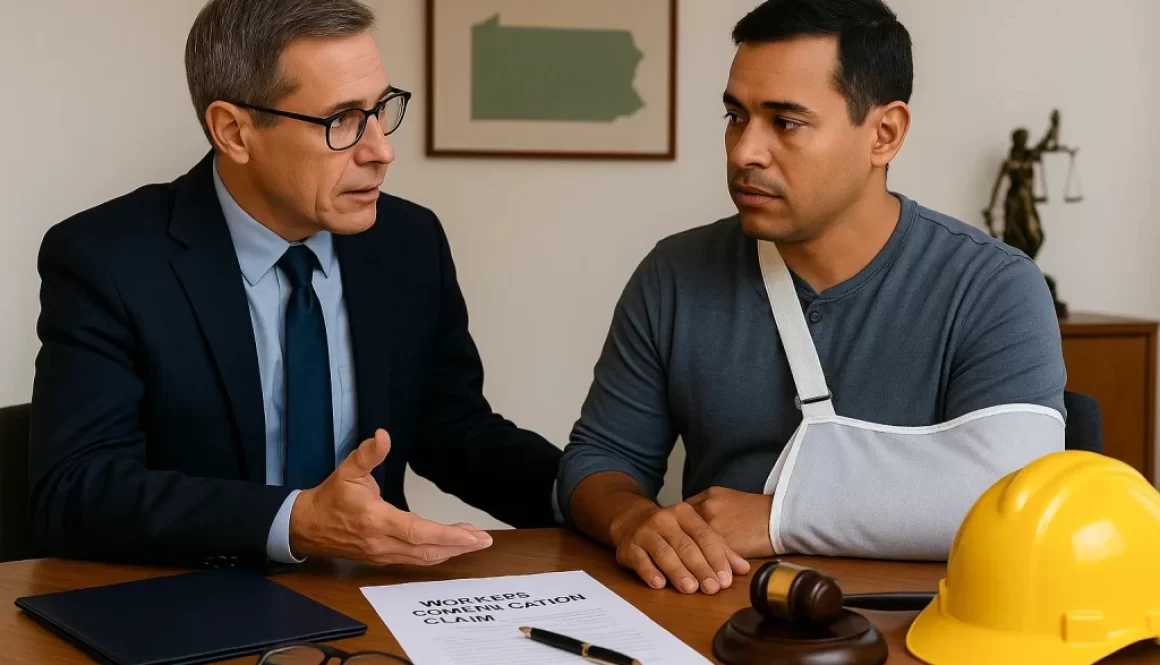
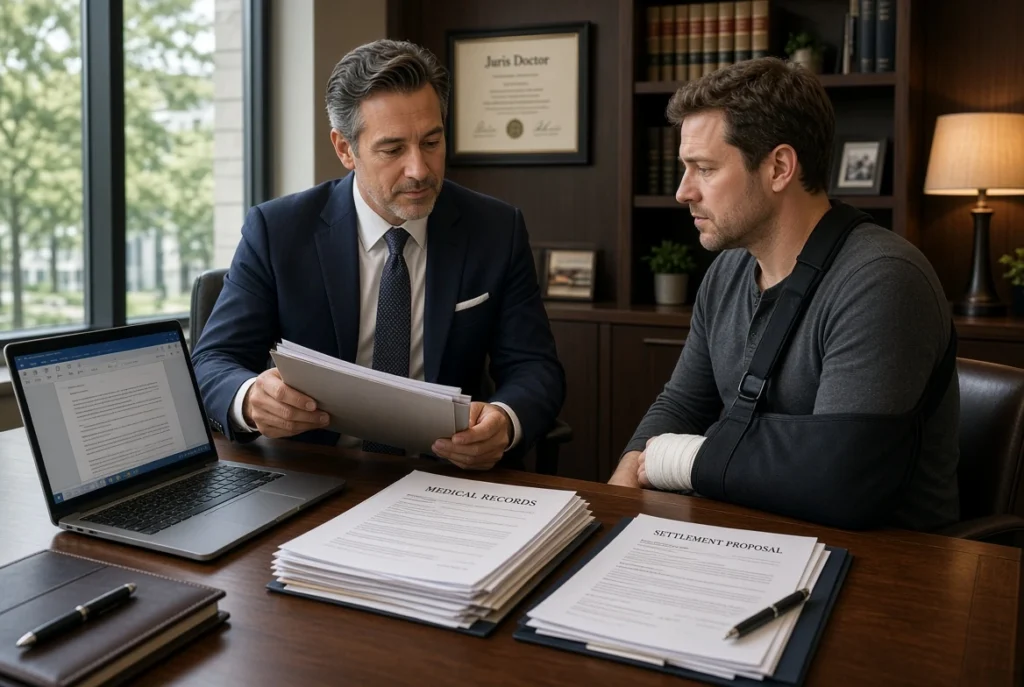
A Pennsylvania workers’ compensation lawyer reviews your medical records, wage benefits, future needs, and legal risks. These details help your attorney evaluate a possible settlement.
Your Medical Condition and Ability to Work
Your lawyer can review your medical treatment, work limits, and doctors’ opinions. Additionally, your attorney can consider whether you may have future medical expenses.
Two workers may suffer the same injury but receive totally different settlement offers. For example, one worker may return to full-time work, while the other cannot work at all. Therefore, each worker’s ability to earn wages can affect the value of their claim.Your Benefits and Legal Risks
Your lawyer can also review your weekly checks and the insurance company’s position. Additionally, your attorney can consider the risk of losing benefits through future legal action.
Therefore, a settlement should reflect the facts of your case rather than a number from an AI program.
Can You Still Use ChatGPT for Workers’ Compensation Questions?
Yes. ChatGPT can help you learn basic workers’ compensation terms and prepare questions for your attorney. However, you should not treat its answers as legal advice for your specific claim.
Questions ChatGPT May Help Explain
For example, you might ask what a Compromise and Release Agreement means. You could also ask what happens during a workers’ compensation hearing. It could also help identify when someone may want to file a claim.
Additionally, ChatGPT may help you understand common legal terms. However, you should check important answers with a trusted source.
Questions That Need Legal Advice
Some questions require a review of your actual case. For example, should you accept a $60,000 settlement offer? Could you lose future medical benefits if you sign an agreement?
These questions involve facts that ChatGPT cannot verify. Therefore, a Pennsylvania workers’ compensation attorney should review your claim before you make major decisions.
Should You Trust ChatGPT Settlement Estimates for a Pennsylvania Workers’ Compensation Settlement?
ChatGPT can explain general workers’ compensation topics, but it cannot reliably tell you what your claim should settle for. Research shows that AI can make legal mistakes and sometimes support what users want to hear.
Additionally, Pennsylvania settlements depend on medical evidence, wage-loss benefits, future care, and legal risks. An AI estimate may miss these details or use the wrong rules.
Before accepting or rejecting an offer, speak with an experienced Pennsylvania workers’ compensation attorney. Your settlement should reflect the facts of your claim, not an AI-generated guess.